AUTO Focus 3
Gerry Duggan's Favorite Photography Books
For writer and photographer Gerry Duggan, storytelling is about capturing the moment, whether on the comic page or through the lens of a camera. Best known for his acclaimed runs on Deadpool, Marauders, and X-Men, Duggan has built a reputation as one of Marvel’s most distinctive voices, blending humor, heart, and cinematic scope. His photography reflects the same sensibility with key instinct for light, character, and composition.
In this edition of AUTO Focus, Duggan shares a small selection of photo books that have deeply influenced both his visual and written work. (Stay tuned for Part 2 in the future). From the candid humanity of Jeff Bridges and Richard Sandler to the surreal storytelling of Arthur Tress and the atmospheric worlds of Greg Girard and Dennis Hopper, these artists have helped shape how Duggan sees, and tells stories.
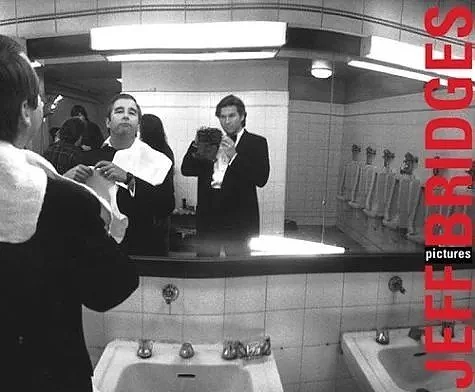
Jeff Bridges Pictures
Pictures (powerHouse Books, 2003) showcases Jeff Bridges not just as an actor, but as a photographer, capturing decades of life on film sets through his panoramic Widelux camera. The images reveal quiet, candid moments of cast and crew, offering a rare, intimate perspective on the collaborative process of filmmaking.
For Gerry, Bridges’ books have been a major influence, shaping how he photographs his own collaborators and informing his approach to storytelling across comics and photography. Duggan credits Bridges’ work with inspiring the way he frames people, mood, and interaction.
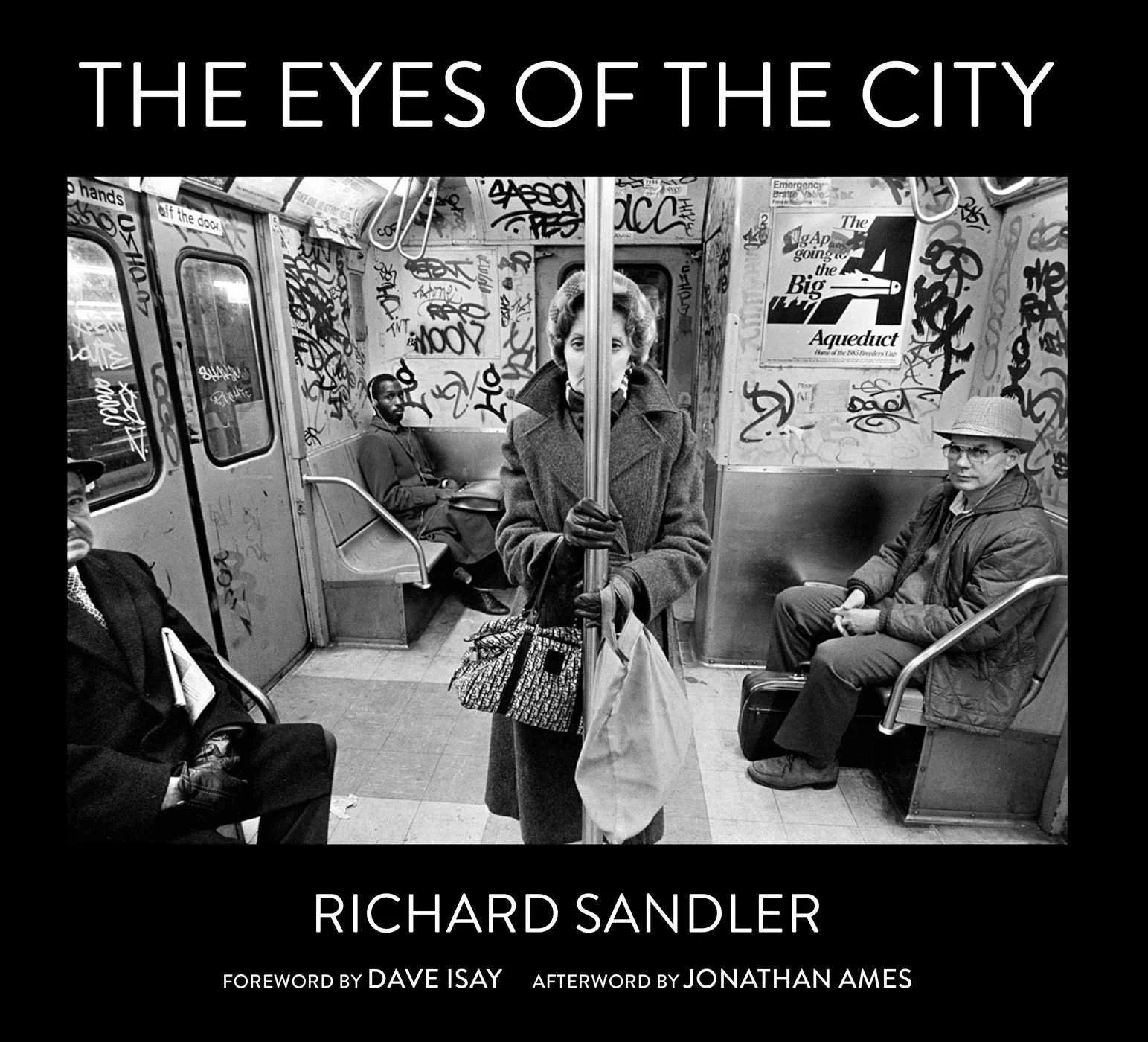
Richard Sandler The Eyes of the City
The Eyes of the City (powerHouse Books, 2016) by Richard Sandler captures decades of street life in Boston and New York from 1977 up until the weeks before September 11, 2001. It showcases Sandler’s sharp, compassionate eye for the city’s flux where beauty met decay, and everyday people lived through seismic change.
For Gerry, this book is a touchstone. The gritty honesty, the human moments amid transformation, and the way the urban landscape becomes a character in its own story deeply inform how he frames both his photography and his work in comics.
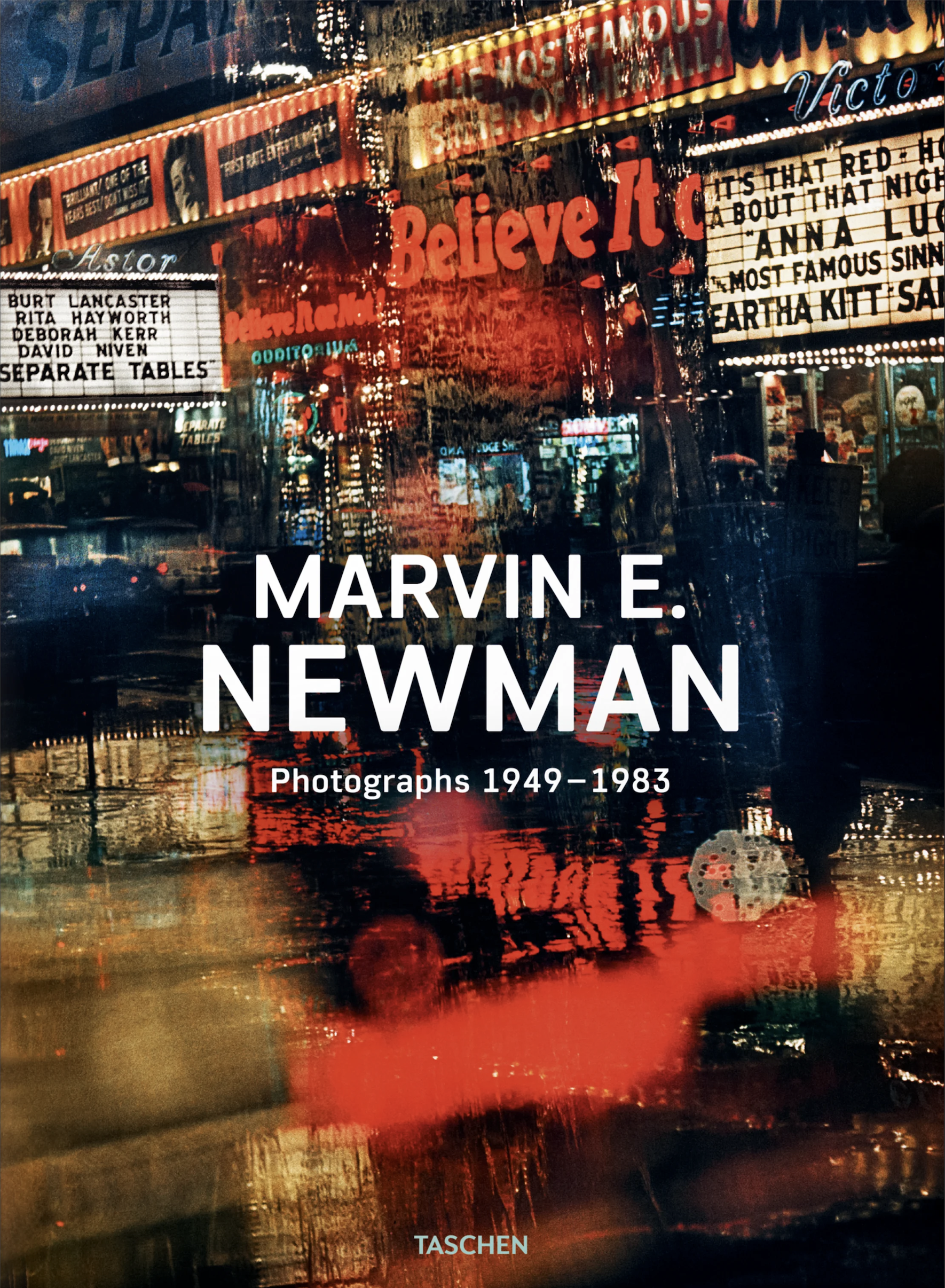
Marvin E. Newman Photographs 1949-1983
Marvin E. Newman Photographs 1949–1983 (TASCHEN, 2024) collects over three decades of Newman’s work, documenting New York street life. His photographs combine careful composition with a humanist sensibility, showing the city and its people in a vivid, thoughtful way.
Watching New York pass by through these images, Duggan finds a nostalgia for the city and the era they capture not for his own past work, but for the energy and life of those years. These photographs continue to influence how he observes people, place, and mood, both in his photography and in his storytelling.
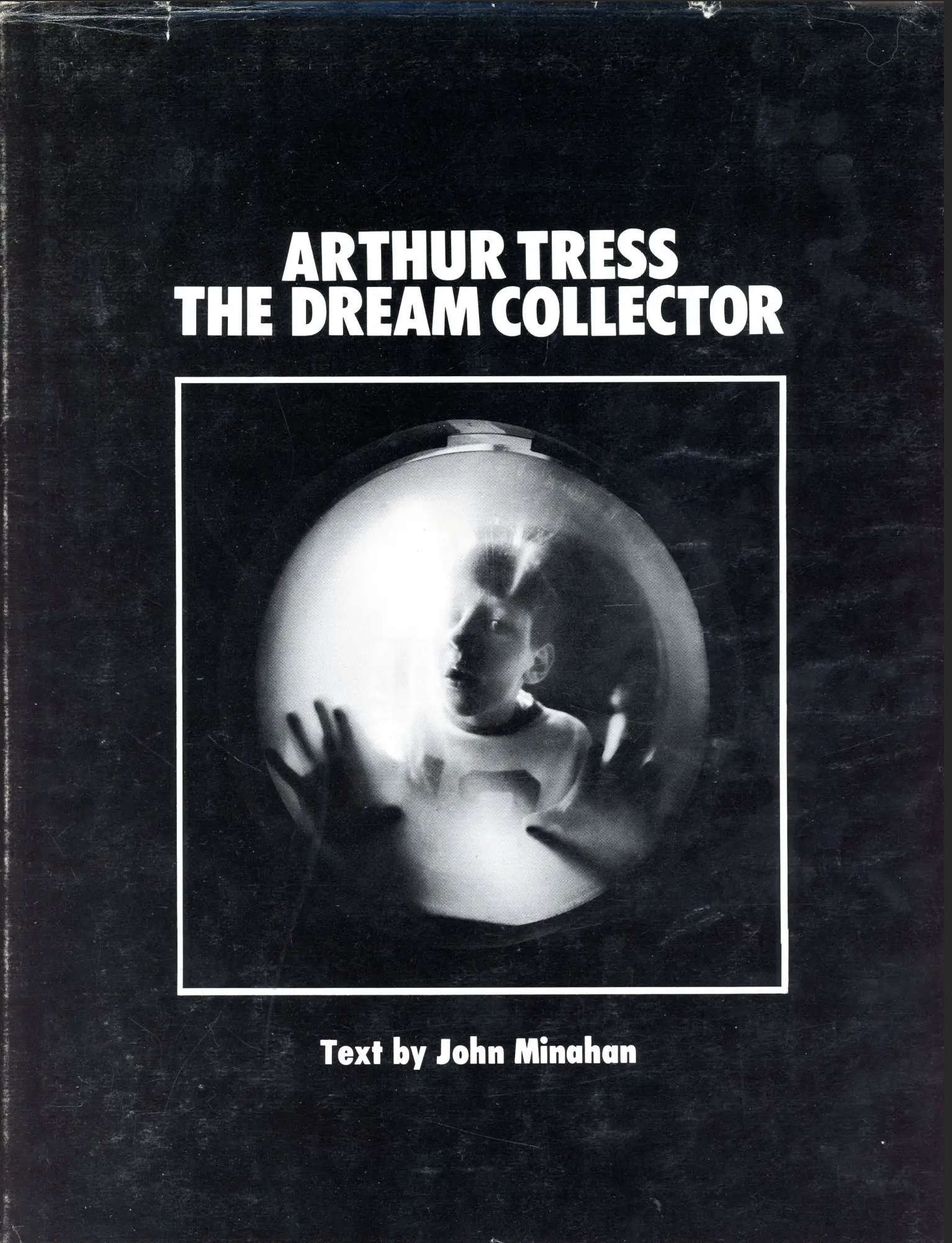
Arthur Trees The Dream Collector
Arthur Tress The Dream Collector (Westover, 1972) presents a striking series of staged black‑and‑white photographs in which children enact their vivid dreams and nightmares. Tress moves beyond documentary into a realm of symbolic imagination and psychological landscape.
For Duggan, this book resonates as a visual touch‑stone, the way Tress observes characters in tension, frames a world that is at once familiar and uncanny, and treats composition as narrative all echo how Duggan approaches both his photography and his comic storytelling.

Greg Girard Tokyo-Yokosuka 1976–1983
Greg Girard Tokyo‑Yokosuka 1976 – 1983 (Magenta Foundation, 2019) presents over a hundred colour and black‑and‑white photographs of Tokyo and Yokosuka during a pivotal era just before the Japanese economic “bubble” and long before the city became the hyper‑modern metropolis many now imagine. The images capture a city in flux: post‑war infrastructure alongside emerging neon, quiet back‑streets beside naval‑base nightlife.
For Duggan, this book offers a compelling model of how to observe space, transition and character. The way Girard frames people in motion, the city as set‑piece, and the unseen edges of culture informs how Duggan photographs his collaborators. The book becomes more than a record of a place; it becomes a tool for how to look.

Dennis Hopper Photographs 1961–1967
Dennis Hopper Photographs 1961–1967 (TASCHEN) gathers the debut photographic work of Dennis Hopper taken during the 1960s on film sets, art openings, diners, freeways and political marches. Much of the content features icons and moments of upheaval from Andy Warhol in the Factory to the Civil Rights March from Selma to Montgomery.
For Duggan, Hopper’s book has a clear appeal. Hopper’s movement between worlds reflects the way Duggan handles narrative and image, both in his comics and his photography. In Hopper’s work, Duggan finds a model for depicting people in motion, cultural breakdown, and the frame as one element of a broader, evolving story.